

SCIENCE OF HOUSES™
The Science Behind House Systems That Last
Science of Houses™ is the research-informed implementation framework for building House Systems that strengthen belonging, distribute leadership, develop identity, and become sustainable parts of organizational culture. Founded by Dr. Junior Bernadin, the framework translates doctoral research, broader scholarship, and extensive implementation experience into keynotes, workshops, diagnostics, resources, and advisory support for schools, organizations, and families.
Publish what leaders need to understand. Protect what they need to implement. Charge for diagnosis, interpretation, customization, facilitation, resources, and accountability.
Different communities. Different Houses. One science for making them work.
Research-Informed
Grounded in Dr. Bernadin's qualitative doctoral research and a broader body of scholarship in leadership, belonging, and organizational sustainability.
Built for K–12
Designed for the leadership decisions, operating structures, and evidence practices that make House Systems sustainable in schools and districts.
Stage-Specific
From initial exploration through districtwide scaling — a professional development pathway built for where your school is right now.
Three Ways to Engage
Inspire. Equip. Evaluate.
Speaking Creates Belief
Keynotes & Speaking
Dr. Bernadin delivers research-grounded keynotes that change how leaders understand House Systems — their purpose, their science, and what it actually takes to make them last. Available for school events, district gatherings, and conferences.
Explore SpeakingWorkshops Create Implementation
Workshops & Institutes
Professional development organized around the five implementation stages — from exploration through districtwide scale. Workshops turn the framework into context-specific decisions, operating structures, and action plans your team can use immediately.
Explore WorkshopsDiagnostics Create Scale
Diagnostics & Advisory
Structured diagnostics and advisory support that identify implementation strengths, gaps, and priorities. Understand where your House System stands — and what the framework says to do next.
Inquire About AssessmentsPrimary Focus
The Science of House Systems
Built for Schools and Districts
The Science of House Systems — part of the Science of Houses™ umbrella — helps K–12 schools and districts move beyond colors, points, and launch-day excitement to build the leadership, ownership, routines, and evidence that make House Systems sustainable.
Schools Exploring or Launching
Clarify purpose, build leadership alignment, and design the operating model before assigning students to Houses. Start right — with the infrastructure that makes a strong beginning possible.
Explore Launch SupportSchools Reigniting and Strengthening
Rebuild staff ownership, student leadership, consistent routines, and meaningful recognition. Identify what is weakening participation and leave with a targeted plan for rebuilding momentum.
Strengthen Our SystemSchools and Districts Sustaining and Scaling
Build year-round leadership, succession structures, internal capacity, and districtwide alignment. Protect the House System through leadership transitions and multi-campus growth.
Explore Partnership SupportUnder the Science of Houses™ umbrella
The same core framework — purpose, people, practices, processes, and proof — applied beyond K–12 education.
The Science of Houses™:
The Corporate House System
A structured framework for businesses and organizations seeking to build stronger team identity, employee engagement, and organizational culture. Informed by broader research and professional experience — not a direct finding of the doctoral study.
InquireThe Science of Houses™:
The Family House System
Bring the principles of belonging, identity, recognition, and shared traditions into the home. Informed by broader research and professional experience — not a direct finding of the doctoral study.
InquireHouse System implementation is leadership work before it is program work.
A House System Is More Than Points and Pep Rallies.
Many schools create Houses, select colors, introduce points, and hold an exciting launch. The deeper challenge is building the leadership, operating structures, routines, student ownership, and evidence practices that keep the system meaningful after the opening excitement fades.
- Relationships: Structured cross-group connections between members, staff, and leaders — not left to chance.
- Recognition: Consistent, meaningful acknowledgment of effort, growth, and contribution across every House.
- Member leadership: Defined roles, real responsibilities, and development pathways for members at every level.
- Routines: Repeatable meeting structures, traditions, and rituals designed to survive turnover and calendar disruption.
- Evidence: Measures leaders use to assess whether the House System is functioning as intended — and where to adjust.
The launch creates energy. The year creates culture. Student leadership creates continuity.

Sustainable House Systems Are Built on Five Dimensions — Each One Matters.
Every sustainable House System is built on five interdependent dimensions. Weakness in any one of them limits the others.
Find Your Implementation Pathway
Select the stage that best describes where your school or district is right now.
Explore
Understand what a House System is, what it is not, and whether it fits your school's needs before committing resources.
Learn moreLaunch
Build the purpose, leadership coalition, and operating model before assigning students to Houses.
Learn moreStrengthen
Improve staff and student ownership, routines, recognition, and implementation consistency.
Learn moreSustain
Develop student leaders, prepare successors, and maintain momentum through staff and leadership transitions.
Learn moreScale
Align multiple schools, establish shared expectations, and build internal training capacity across the district.
Learn moreFeatured Professional Development
House System 101
Challenge addressed: Leaders need a clear, honest picture of what a House System is and is not before committing resources.
Audience: Principals and school leadership teams exploring whether a House System fits their school.
Learning promise: Participants leave with a grounded understanding of House System purpose, structure, and implementation requirements.
House System Leadership Bootcamp
Challenge addressed: Schools often launch without building the leadership infrastructure first.
Audience: Principals and school leadership teams preparing to launch.
Learning promise: Participants develop the leadership coalition, purpose statement, and operating model needed before students are assigned to Houses.
House System Ignited, Part 1
Challenge addressed: Schools need a structured sequence for designing and launching with fidelity.
Audience: School leadership teams in the design and early launch phase.
Learning promise: Participants complete the foundational design decisions and communication plan required for a strong launch.
House System Ignited, Part 2
Challenge addressed: Schools that launched successfully often struggle to maintain momentum and staff ownership.
Audience: School leadership teams in early implementation seeking to deepen consistency.
Learning promise: Participants strengthen the routines, recognition practices, and staff roles that sustain the House System beyond the first year.
Year-Round Sustainability and Student Leadership
Challenge addressed: House Systems often lose momentum when key staff leave or school priorities shift.
Audience: Schools in the sustaining phase and student leadership teams.
Learning promise: Participants build the year-round calendar, succession plan, and student leadership structures that protect the House System through change.
Districtwide Professional Development
Challenge addressed: Districts lack a shared framework and internal training capacity across multiple schools.
Audience: District administrators, curriculum directors, and multi-school implementation teams.
Learning promise: Participants establish district-wide expectations, alignment structures, and internal capacity to support House System implementation at scale.
Research Should Clarify the Work, Not Exaggerate the Results.
Dr. Bernadin's qualitative doctoral study examined the lived experiences of educational leaders with direct responsibility for House System implementation — producing 12 group experiential themes on engagement, belonging, organizational identity, leadership, and sustainability.
Central Finding
House Systems become more meaningful and sustainable when leaders establish a relational purpose, model visible commitment, distribute meaningful ownership, and embed repeatable routines that survive turnover.
Evidence Note
These findings represent leaders' perceptions in specific contexts — not independently verified causal outcomes.
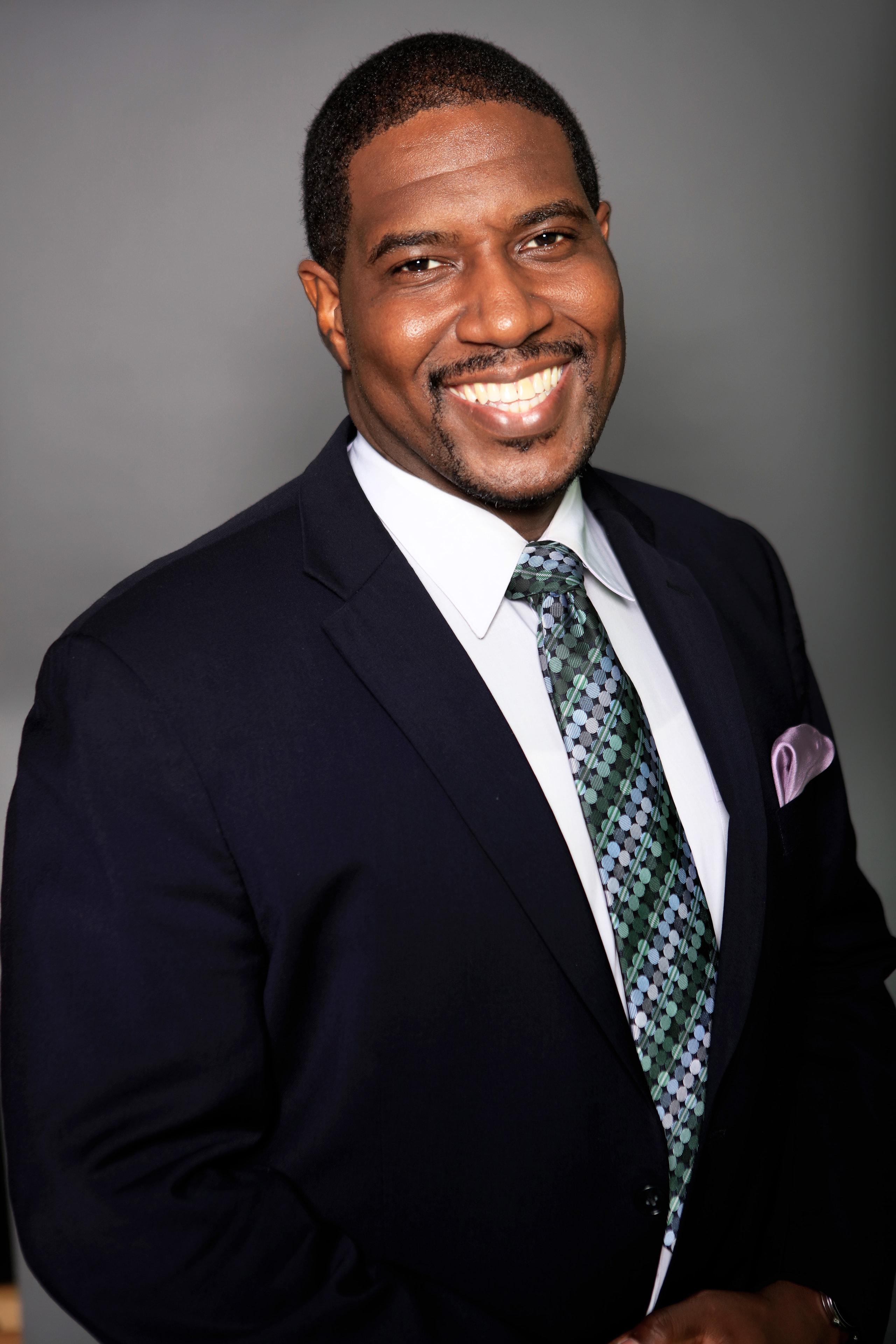
About
Dr. Junior Bernadin
Principal Architect of the Modern House System Movement.
Dr. Bernadin is the founder of Science of Houses™ and a principal architect of the modern House System movement. He combines doctoral research, nearly two decades of educational leadership, and direct implementation experience to deliver keynotes, workshops, and professional development that change how leaders understand and build House Systems.
Professional Development Built Around Your School's Stage, People, and Priorities.
- On-site professional development
- Virtual professional development
- Leadership team institutes
- Multi-site or district cohorts
- Conference workshops
- Keynote presentations
- Coaching and implementation support
- Customized professional learning

Most House Systems don't survive year two. Science of Houses™ is Dr. Junior Bernadin’s research-informed framework for building ones that do.
The Science of Houses Framework is the implementation structure. Speaking creates belief. Workshops create implementation. Diagnostics and advisory create scale. Find the right entry point for your school, district, or organization.
Request Training
Tell us about your school or district and we will follow up with a customized proposal.